Understand the biology
Published retrospective studies associate lower PDE4D7 expression with more aggressive disease and poorer outcomes. This prognostic evidence informs the programme’s biological rationale.

Precision Insights – Targeted Therapies
We’re developing biomarker-guided gene therapies with the goal of helping people with cancer live longer and better. We’re starting with prostate cancer, with bladder cancer as our next indication.
Preclinical programme · Candidate development
Our science
PDE4D7 helps organise cAMP signalling within cells. Evidence from prostate-cancer cohorts and experimental models has led us to a focused question: can restoring PDE4D7 at the tumour site produce a therapeutic effect?
Published retrospective studies associate lower PDE4D7 expression with more aggressive disease and poorer outcomes. This prognostic evidence informs the programme’s biological rationale.
Our approach uses an adeno-associated virus (AAV) vector to deliver PDE4D7 locally. The intended effect is to restore functional expression and compartmentalised cAMP signalling.
Proof-of-concept studies are underway to evaluate distribution, target engagement and biological activity. These studies will guide the selection of our development candidate, which we aim to nominate in the near term.
Why local delivery?
Image-guided delivery into the prostate is designed to concentrate therapy at the site of disease while limiting exposure elsewhere in the body. By delivering locally, we aim to restore functional PDE4D7 expression with a lower vector dose than systemic intravenous gene delivery.
For patients, this could mean fewer systemic side effects and improved tolerability. Lower vector requirements could also reduce manufacturing costs per treatment, supporting more efficient production. Our development programme is evaluating these potential advantages alongside tumour coverage and biological activity.
Cellular studies of PDE4D7 loss and restoration support the biological rationale behind our approach. Exploratory prostate cancer models also show a slower tumour-growth trajectory, providing an encouraging foundation for further development.
Our ongoing proof-of-concept studies are building on these early findings to strengthen the evidence for therapeutic activity and guide development candidate selection.
Development
Each stage has a clear experimental purpose. Our immediate focus is a development candidate and the evidence needed to support subsequent safety and manufacturing work.
The therapeutic cassette is locked. Establish assays and candidate criteria, then select the capsid and product configuration based on functional expression and manufacturability.
Assess delivery, tissue distribution and biological activity in defined in vitro and in vivo models.
Complete initial pilot safety and non-GLP dose-range studies. Develop formulation and phase-appropriate manufacturing readiness. Validate development plans with Australian TGA experts and US FDA INTERACT advice meetings.
Subject to earlier results and resources, progress to formal GLP studies, clinical GMP/GMP-like (Australian clinical track) manufacture and regulatory preparation.
Research foundations
The programme builds on more than 15 years of Philips-supported research into PDE4D7 and prostate and bladder cancer, including clinical biomarker work supported by European research funding.
PDE4D7 biology and biomarker research provide the foundation for the therapeutic programme.
Published research involving Glasgow contributes expertise in phosphodiesterase biology and compartmentalised signalling.
We are working with Fuse Vectors to explore cell-free AAV manufacturing for the programme. Candidate-specific performance and the development scope are under evaluation.
Our team
A leadership team supported by advisers in the disciplines needed to translate a biological hypothesis into a development programme.
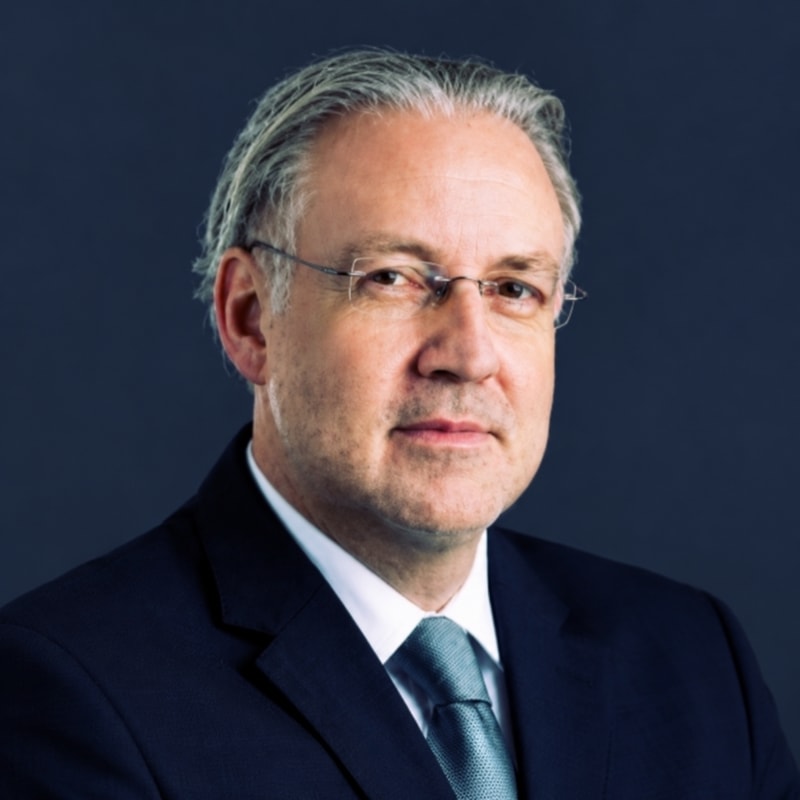
Chief Scientific Officer
Programme originator with extensive experience in PDE4D7, prostate and bladder cancer biomarkers and translational research. Also holds a Principal Scientist role at Philips.
LinkedIn
Chief Executive Officer
Molecular Biologist and pharmaceutical Toxicologist with more than 20 years of drug-development experience. Leads programme development, company strategy and investor engagement.
LinkedIn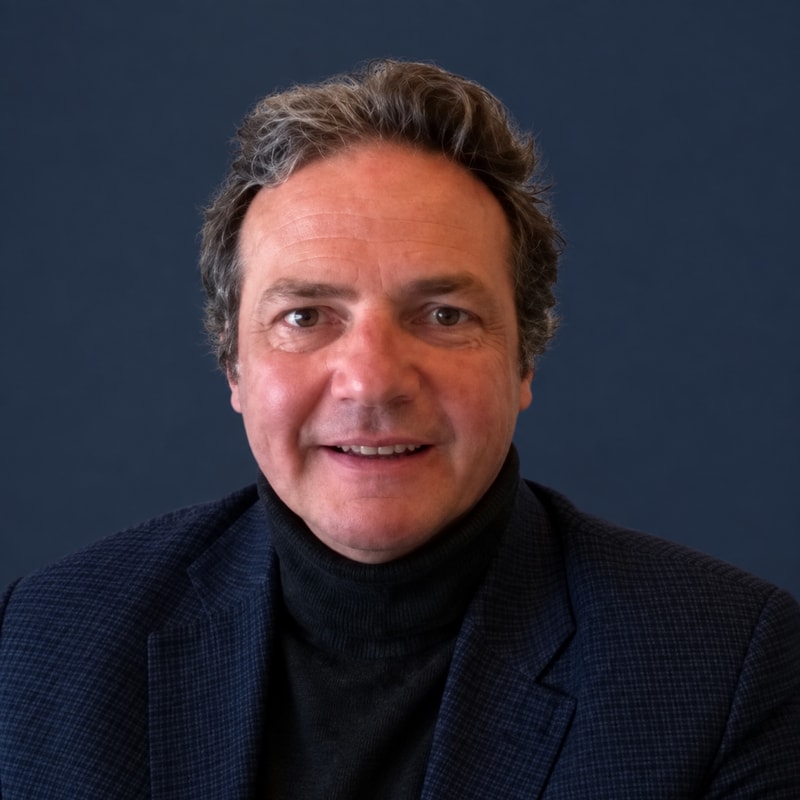
Chief Business Officer
Brings expertise in intellectual property, licensing and business development. Also holds an IP licensing role at Philips.
LinkedInClinical, scientific, safety, manufacturing and regulatory expertise.
Non-clinical Expert & Toxicologist
Advises on non-clinical development, toxicology and safety assessment.
Profile
Head of Regulatory Affairs
Advises on regulatory development strategy, including the Australian clinical development pathway.
Profile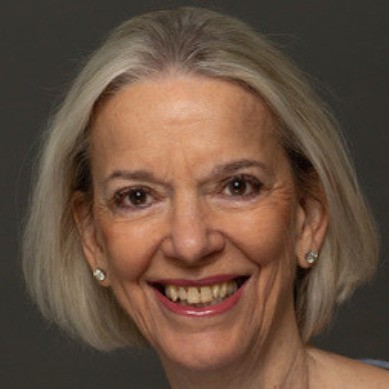
Clinical Expert
Contributes clinical expertise to the programme’s development strategy.
Profile
Scientific Advisor
Advises on oncology science and translational development.

Life-science executive
Contributes experience in life-science company development and strategic positioning.

CMC Expert
Contributes AAV and gene-therapy expertise to product development and manufacturing strategy.

Associate Professor & Urologist
Erasmus MC
Clinical and translational expertise in urologic oncology.
Professor of Urology
University Hospitals Leuven
Expertise in high-risk prostate cancer and clinical translation.
Professor of Urology
Karolinska University Hospital
Expertise in urologic oncology and the surgical treatment pathway.

Professor of Molecular Pharmacology
University of Glasgow
Expertise in compartmentalised cAMP signalling and phosphodiesterase biology.
News & perspectives
Candidate selection brings together functional PDE4D7 expression, local delivery and manufacturability.
For investors & partners
Start with our company overview, or request the non-confidential presentation for more on the science, development strategy and team.
Open access
Our one-pager introduces the programme, investment opportunity, financing target and development milestones.
View one-pagerAdditional confidential information is available by arrangement with Morten.
Contact MortenInvestor presentation
Enter your details to open the presentation immediately.